Rice vinegar is known for its mild acidity and subtle sweetness. It typically ranges from 4%–5% acidity, making it gentler than other vinegars. Unlike harsher varieties, its flavor complements dishes without overpowering them—perfect in dressings, marinades, sushi rice, and pickles. When searching for substitutes for rice vinegar, the goal is to mimic that balance of mild tartness and a touch of sweetness.

Table of Contents
These are some of my favorite recipes that include rice vinegar as an important ingredient:
- Sticky Asian Pork Ribs: The ribs are so tender that they melt in your mouth.
- Spicy Peanut Noodles with Chicken: This recipe is a quick, flavorful dinner that’s perfect for busy weeknights.
- Brown Sugar Garlic Pork Chops: Made with a deliciously spicy, sweet brown sugar marinade, each bite bursts with flavor.
- Chicken & Green Bean Stir Fry: A quick and satisfying meal with a great balance of flavors.
- Hawaiian Chicken Tacos with Pineapple Salsa: I love the combination of the savory protein with the fruit based salsa.
Substitutes
White Wine Vinegar + Sugar
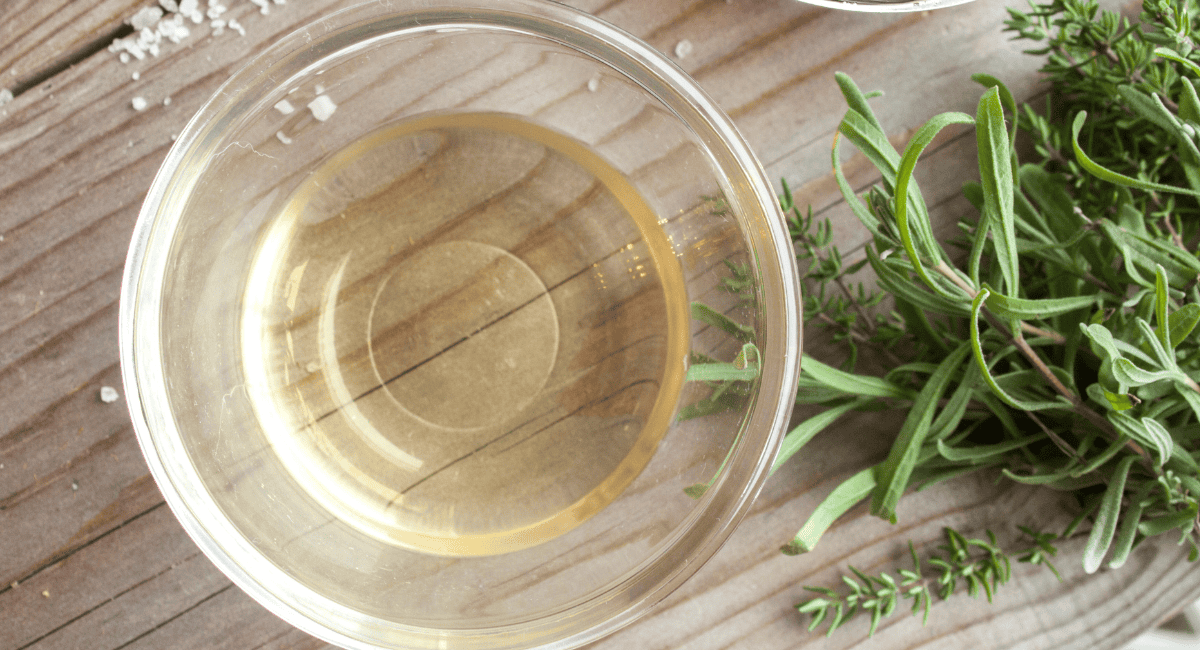
Ratio: 1 cup white wine vinegar + 1 tsp sugar
Mimics rice vinegar’s mild sweetness. Great in vinaigrettes or marinades—just make sure the sugar dissolves.
Apple Cider Vinegar + Sugar
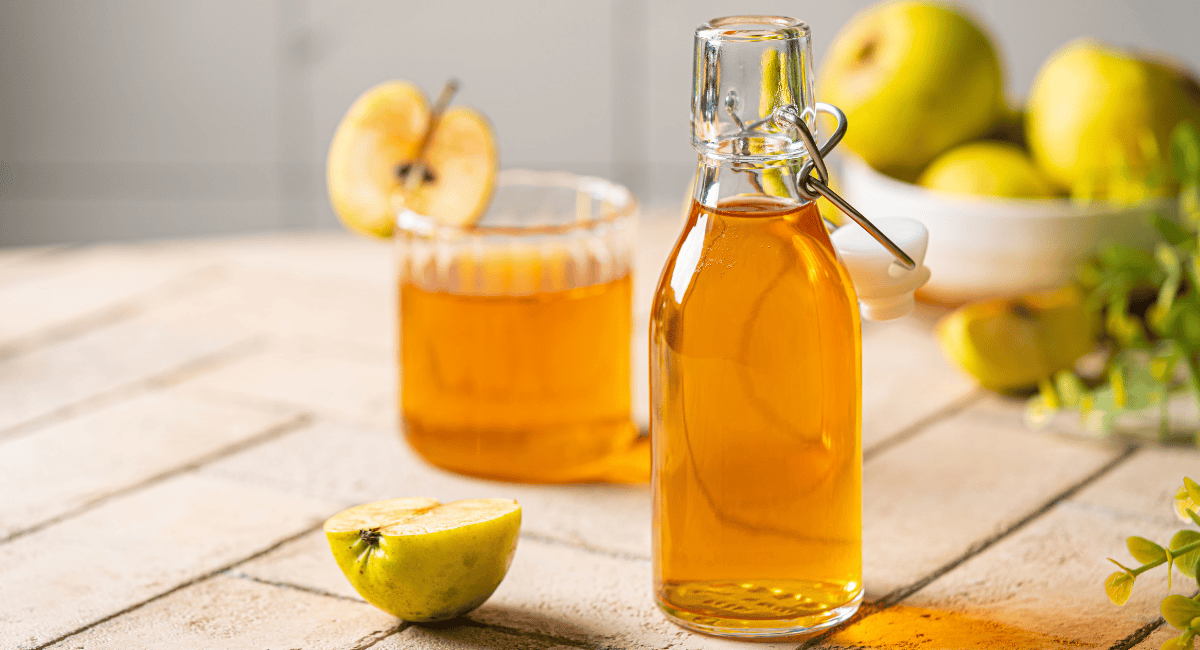
Ratio: 1 cup apple cider vinegar + 1 tsp sugar
Offers a fruity tang similar to rice vinegar. Use it in coleslaw dressings, pickles, and sauces for a more complex flavor.
Champagne Vinegar
Ratio: 1:1 swap
It’s light and delicate—one of the closest standalone substitutes. Works well in dressings and delicate sauces.
White Distilled Vinegar + Sugar
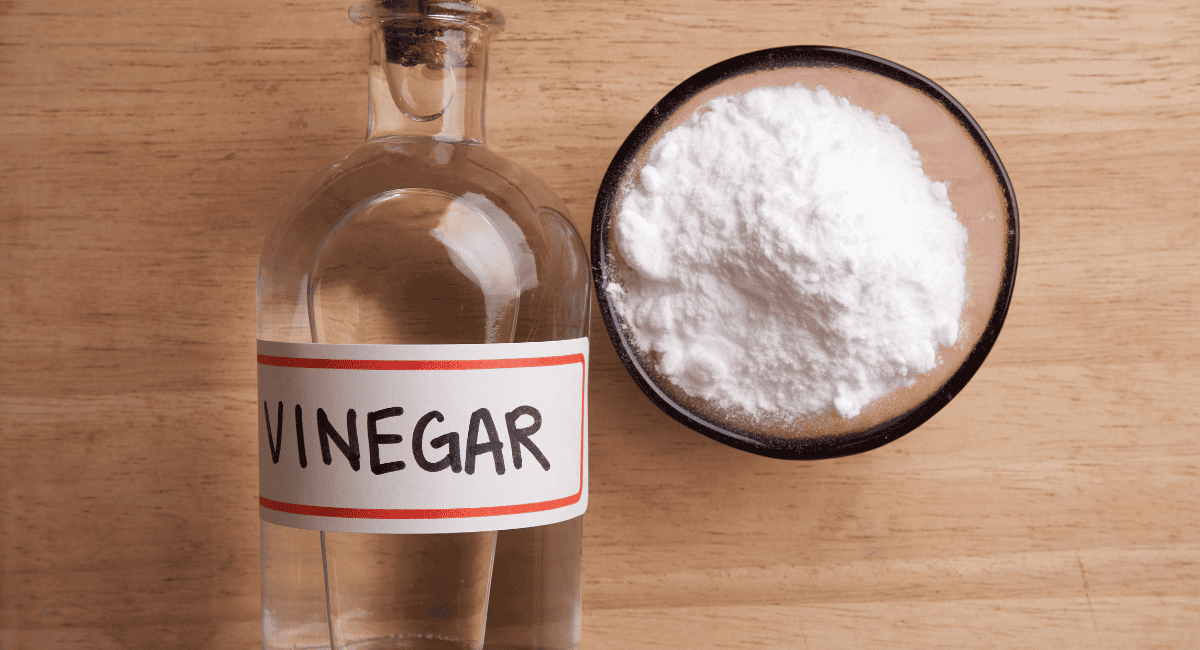
Ratio: 1 cup vinegar + 2 tsp sugar (or to taste)
Stronger acidity than rice vinegar, so adjust carefully. Add sugar to soften its bite for pickling or seasoning.
Lemon or Lime Juice + Water
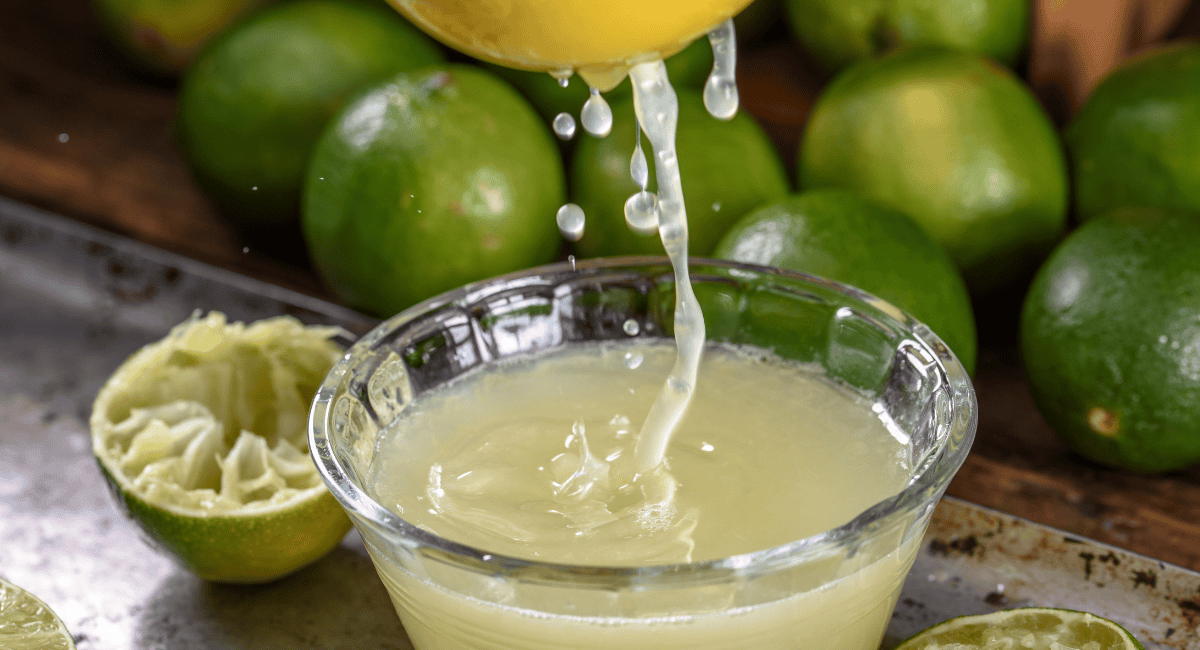
Ratio: 2 tbsp juice + 2 tbsp water
Fresh citrus juice brings acidity and brightness. Ideal in dressings and marinades, though it adds a fruity note.
Mirin (Japanese Sweet Rice Wine)
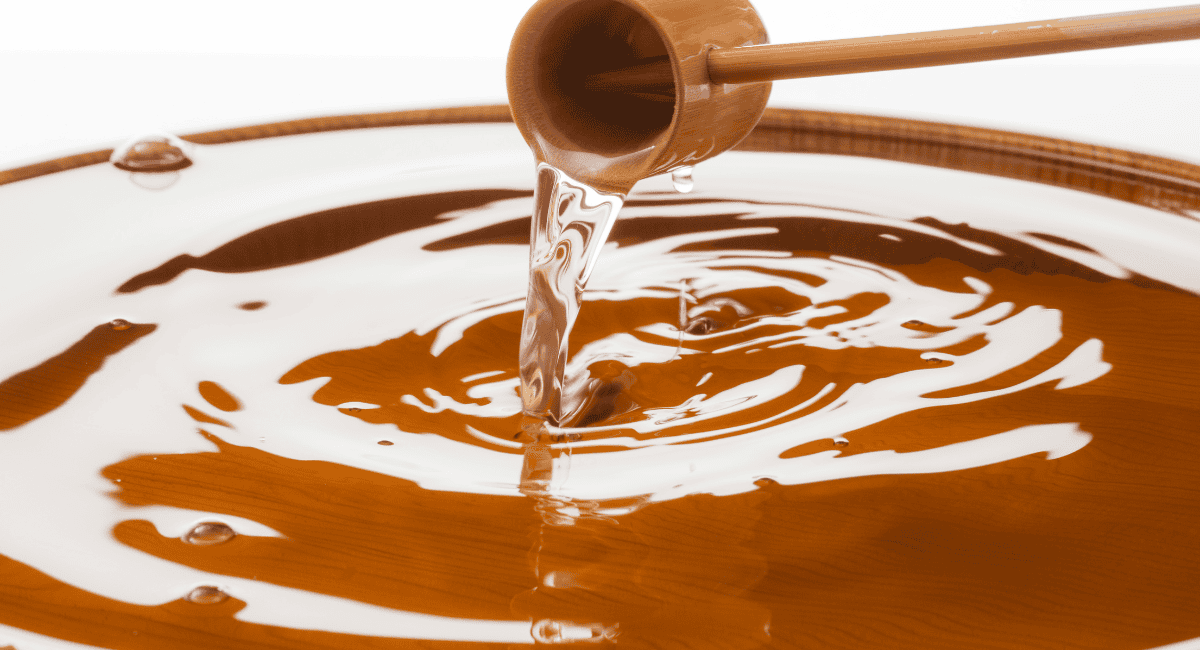
Ratio: 1:1 swap (optional splash of extra vinegar for acidity)
Naturally sweet and mild—perfect if you also need a touch of umami. Great in teriyaki, stir-fries, and glazes.
How to Choose Based on Your Dish
- Salad dressings or vinaigrettes? Go with champagne or white wine vinegar + sugar.
- Pickles or slaws? White wine or apple cider vinegar + sugar adds fruitiness.
- Asian-style sauces or glazes? Mirin is excellent; toss in a splash of vinegar if you need more tang.
- Quick fix at home? Lime juice diluted with water works when nothing else is around.
FAQS
All you’ll need is 2 cups of cooked rice, 1 to 2 ounces of Mother of Vinegar or rice wine, and 34 ounces of water. Put your cooked white rice and any leftover cooking water in an airtight glass or stoneware bottle or jar. Add the Mother Vinegar to the rice and top the container off with water.
The result is typically far less acidic and milder than pure distilled white vinegar or those made from grape-based wine or malt, making it a subtle addition to salad dressings, pickles, marinades, or splashed lightly over sautéed vegetables.
Whether you’re making a stir-fry, salad dressing, or quick pickle, there are plenty of easy and flavorful substitutes for rice vinegar to choose from. With the right combo of acidity and sweetness, you can keep your recipe on track without sacrificing taste. Keep this list handy next time you’re in a pinch!
More Cooking Resources

Cooking Resources
Best Meat for Burgers

Cooking Resources
The Best Store-Bought Hamburger Buns for Burgers

Cooking Resources
Best Cheeses To Use For Macaroni & Cheese (for Melting & Flavor)

Follow me on Pinterest, Facebook & Instagram.
Shop my Amazon Storefront!